FOR EDUCATORS · COMPETENCY + READINESS
When performance falls short, the next step should have a purpose.
A missed expectation doesn't automatically mean someone needs to repeat the entire training process.
Effective remediation starts by identifying what actually went wrong, providing support that addresses that specific gap, and then validating that performance has improved.
IDENTIFY THE GAP → REMEDIATE → REASSESS → VALIDATE
EXPLORE THE PROCESS ↓

START WITH THE GAP
REMEDIATION ISN’T AUTOMATICALLY “DO THE TRAINING AGAIN.”
Repeating education may help when the problem is knowledge.
It may do very little when the actual problem is technique, judgment, consistency, or failure to follow an established process.
Before choosing the intervention, ask:
WHAT IS PREVENTING THE EXPECTED PERFORMANCE?
The answer should shape what happens next.
DON'T ASSIGN REMEDIATION UNTIL YOU UNDERSTAND WHAT YOU'RE TRYING TO REMEDIATE.
FIND THE WHY
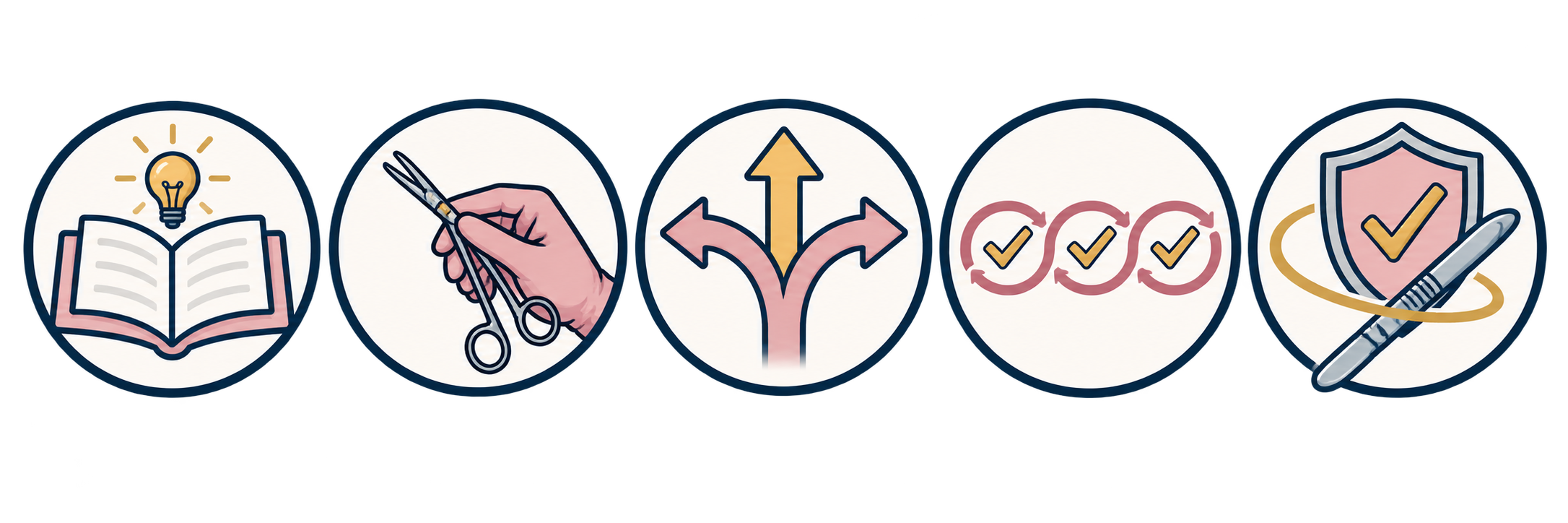
Not every performance gap is the same.
-
The learner doesn't know or understand the requirement.
Possible response: focused instruction, IFU review, procedure review, explanation of the underlying concept.
-
The learner understands what should happen but cannot yet perform it correctly.
Possible response: demonstration, guided practice, repetition, technique correction.
-
The learner knows the process but struggles to recognize when or how to apply it.
Possible response: scenarios, questioning, case discussion, coached decision-making.
-
The learner can perform correctly but does not do so reliably.
Possible response: focused observation, repeated performance, feedback, pattern tracking.
-
The gap creates an unacceptable risk or violates a requirement that must be performed correctly.
Possible response: stop independent performance as appropriate, provide targeted remediation, and require successful revalidation before progression.
Targeted Remediation
Don’t Throw Education At the Problem. Choose the Right Intervention.
A useful remediation plan should answer:
What specific performance needs to change?
Define the gap in observable terms.
What support addresses that gap?
Choose education, demonstration, practice, coaching, reference review, or another appropriate intervention.
What will successful performance look like?
Use the same clear expectations that should have existed during the original validation.
How will improvement be demonstrated?
Determine what must be observed before the learner progresses.
THE INTERVENTION SHOULD MATCH THE PROBLEM.
Focused Practice
Remediate what needs remediation.
If a technician demonstrates strong performance across most of a process but misses one defined criterion, the remediation should generally focus on the identified gap—not erase everything they have already demonstrated.
Examples:
Missed knowledge requirement → review and apply the requirement.
Incorrect technique → demonstrate, practice, observe.
Decision error → work through scenarios and reasoning.
Inconsistent execution → repeat performance across multiple opportunities.
Focused remediation makes the expectation clearer and gives the learner a realistic opportunity to correct the problem.

Observe the Change
Completing Remediation Isn’t the Same as Correcting the Gap
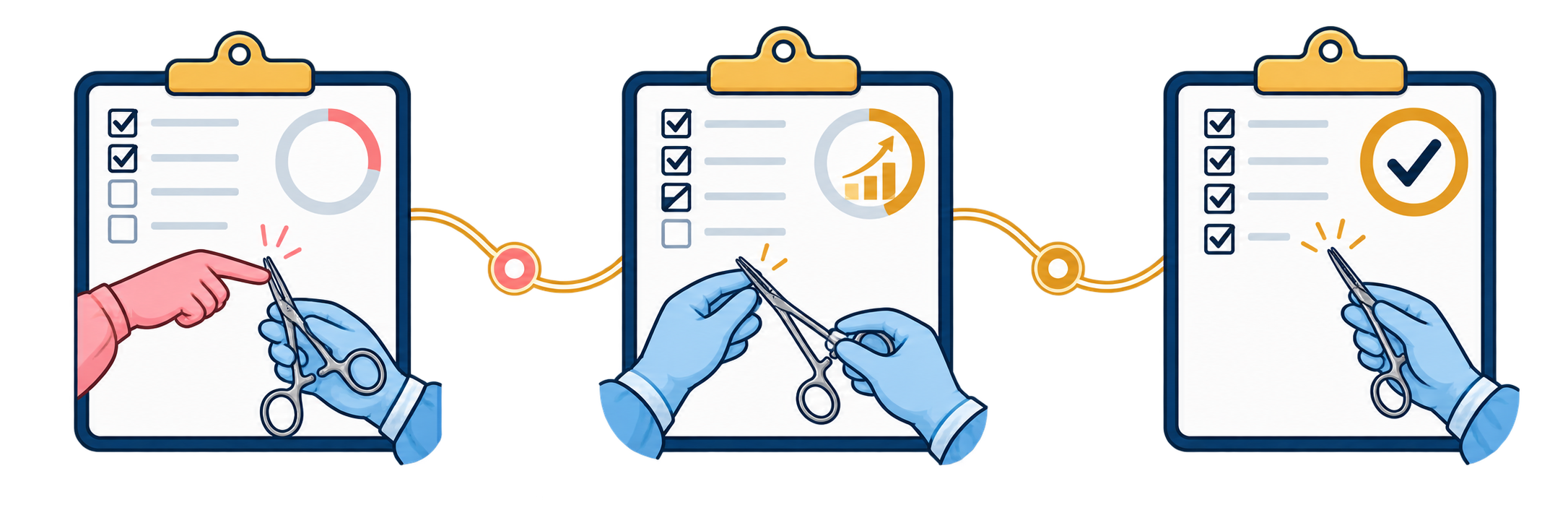
Attendance at another in-service isn't evidence of improved performance.
Neither is rereading a policy.
Those may be parts of remediation.
Validation requires evidence that the learner can now perform the expectation correctly.
REMEDIATION = THE INTERVENTION
REVALIDATION = THE EVIDENCE
Prove the CHange
Revalidation should return to performance.
Revalidation asks whether the identified gap has actually been corrected.
Use observable criteria and allow the learner to demonstrate the required performance under conditions appropriate to the competency.
Look for:
-
Is the task performed correctly?
-
Does correct performance hold across appropriate opportunities?
-
Can the learner recognize and respond appropriately when the situation changes?
-
Are the required procedures, IFUs, and established expectations followed?
-
How much prompting or intervention is still required?

THe goal isn’t to complete remediation. The goal is to demonstrate corrected performance.
Safety Changes the Response
A strong overall score should not compensate for a missed safety-critical expectation.
When a safety-critical criterion is not met, progression may need to pause until the learner receives appropriate remediation and successfully demonstrates the required performance.
IDENTIFY → STOP AS NEEDED → REMEDIATE → REVALIDATE → PROGRESS
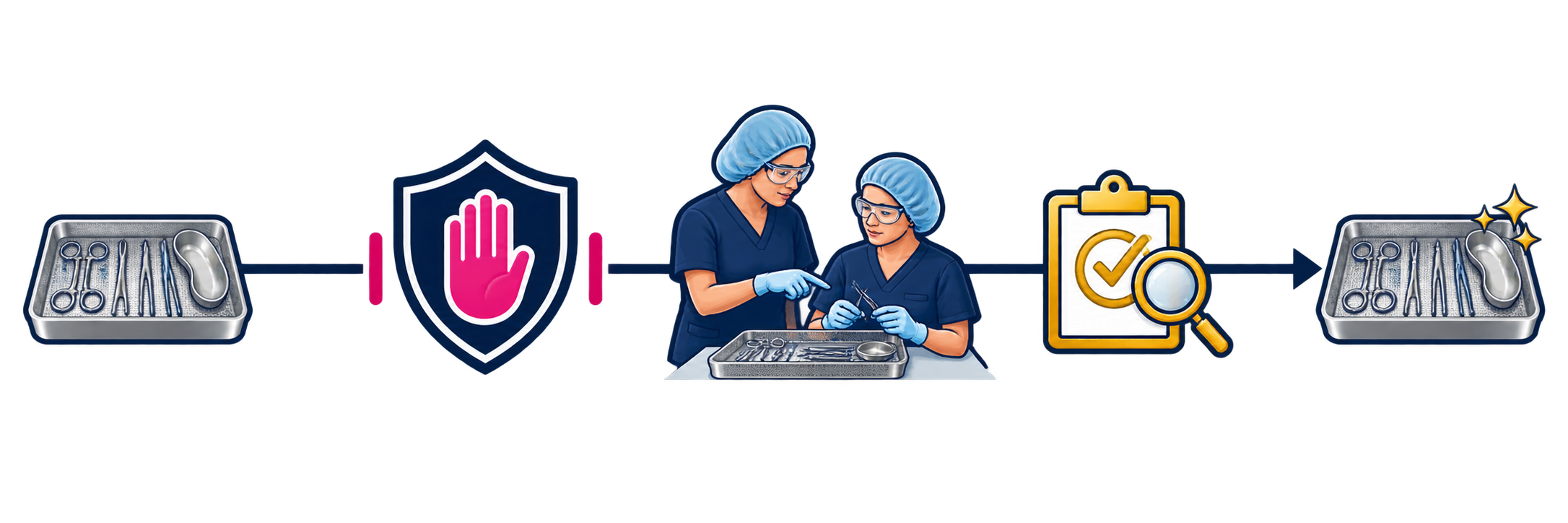
Some Gaps Require a Hard Stop.
Related:
One Performance Isn’t Always Enough
Look for Correction that holds.
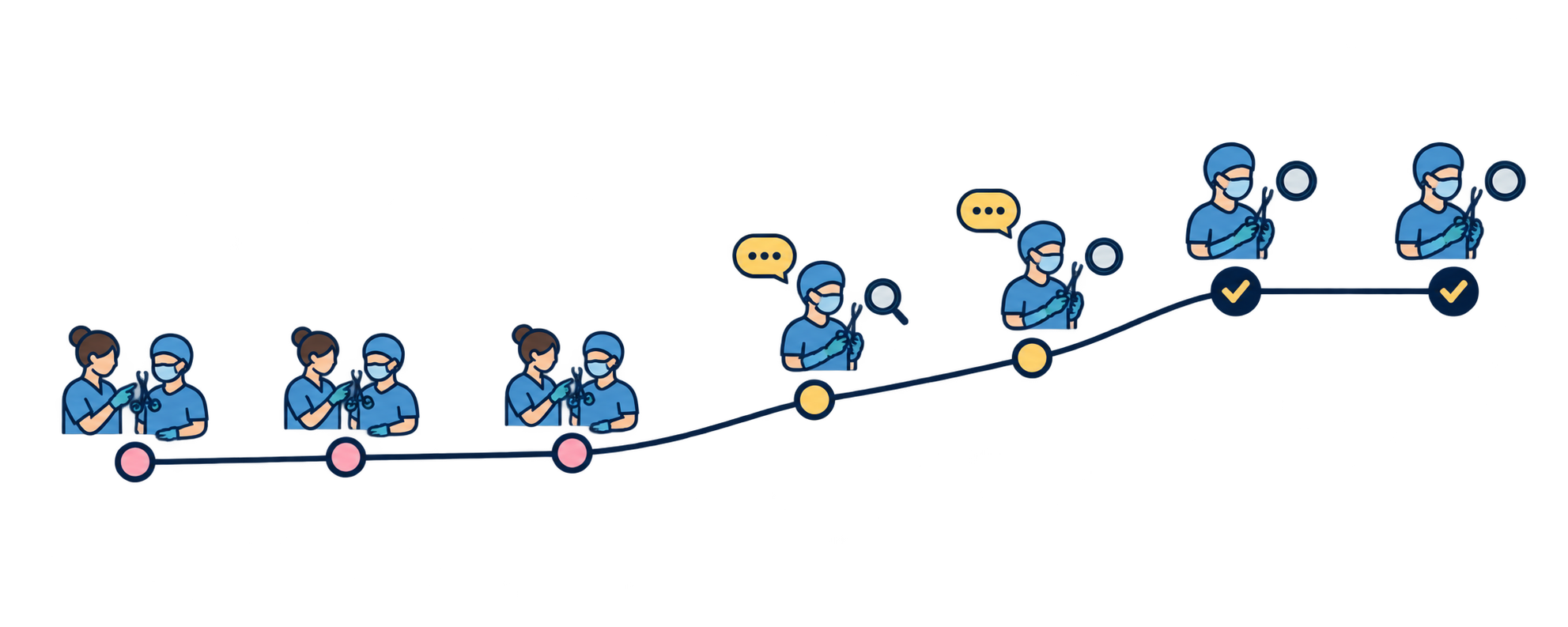
A successful attempt immediately after coaching tells you something.
A pattern of successful performance tells you more.
When appropriate, observe performance across multiple opportunities to determine whether the learner is becoming:
More accurate
More consistent
Less dependent on prompting
More reliable in decision-making
The amount of evidence needed should reflect the complexity and risk of the performance being validated.
Documentation
Capture the Performance story.
Useful remediation documentation should make it possible to understand:
What was observed
The specific performance gap—not a vague statement such as “needs retraining.”
What was done
The education, coaching, practice, or other intervention provided.
What was reassessed
The criteria and performance used for revalidation.
What happened next
Successful validation, continued guided practice, additional remediation, or another appropriate outcome.
Documentation should support the process—not become the process.
The Framework
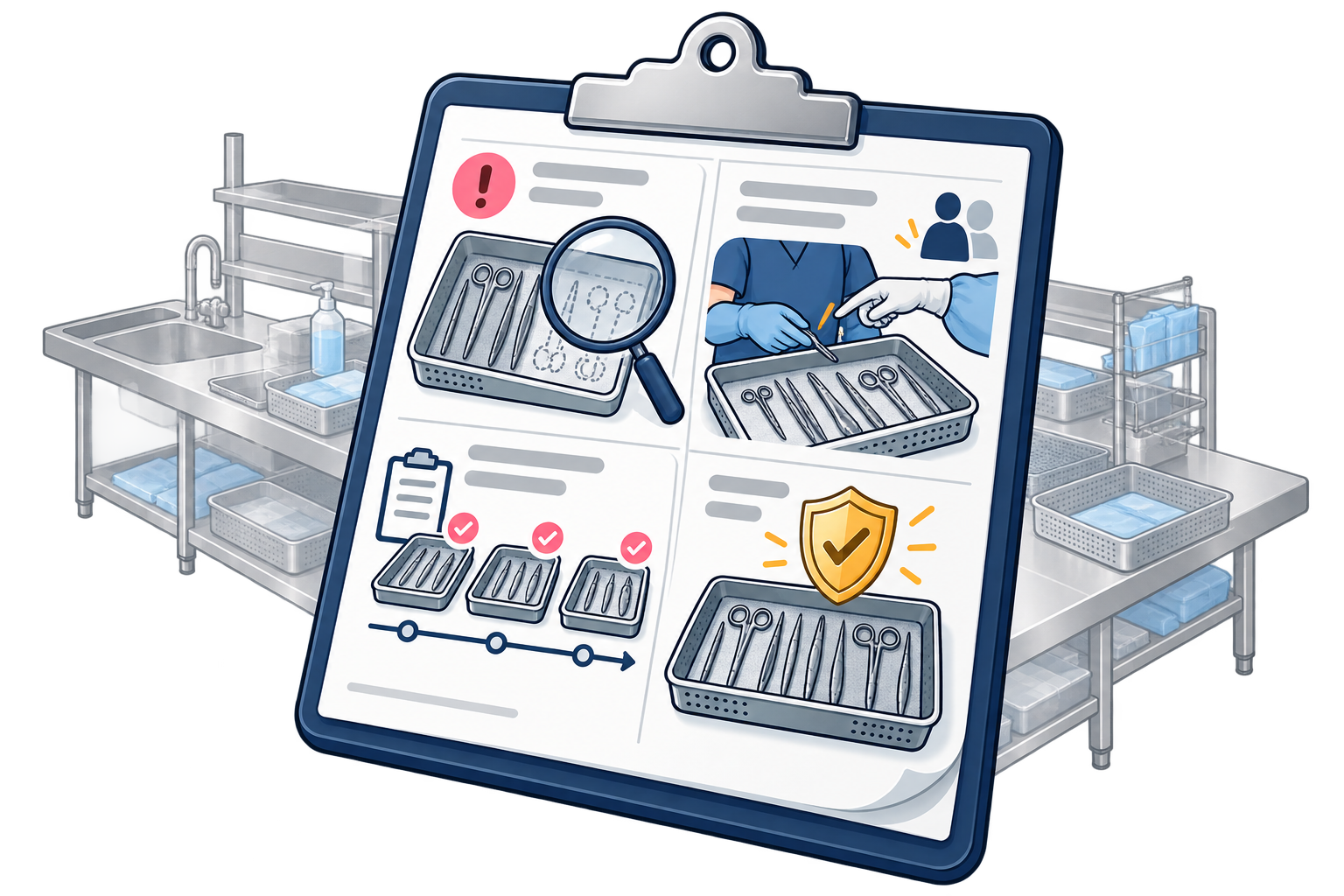
Remediation Is a Loop, Not a Checkbox.
OBSERVE → IDENTIFY → REMEDIATE → PRACTICE → REASSESS → VALIDATE

If expectations are met:
PROGRESS
If expectations are not met:
REFINE THE PLAN → CONTINUE SUPPORT → REASSESS
The process continues until there is sufficient evidence to make the appropriate readiness decision.
Keep Exploring
Remediation is one part of the readiness decision.
Competency vs. Readiness
Understand why demonstrated skill and readiness for independent practice aren’t always the same.
Safety-Critical Performance
Define the expectations that cannot be averaged away.
Competency validation
Build validation around observable performance and meaningful criteria.
Guided Practice + Remediation
Adjust educator support as learner performance develops.
The Bottom Line
Don’t Remediate The Person. Remediate The Gap.
Identify what is preventing expected performance.
Choose support that addresses it.
Give the learner an opportunity to practice.
Then return to performance and gather the evidence needed to determine what happens next.