Sterile Processing Education,
Practical education, smarter competency systems, and better learning resources for sterile processing professionals, educators, and departments.
Without the Boring Part.
Find Your Path
Whether you’re learning sterile processing, teaching it, or building the systems that support it, start here.
Learn better.
For SPD professionals + students.
Build your knowledge, strengthen your decision-making, and prepare for certification with practical education designed to help you understand - not just memorize.
Teach better.
For educators + preceptors.
Find practical tools, strategies, and resources for teaching, assessing, coaching, and developing sterile processing professionals.
Build better Systems.
For leaders + organizations.
Strengthen onboarding, education, competency, and readiness systems with consulting grounded in the realities of sterile processing practice.
Free SPD Education. Really.
No signup. No paywall. No 47-slide presentation before someone finally explains the thing you came here to learn.
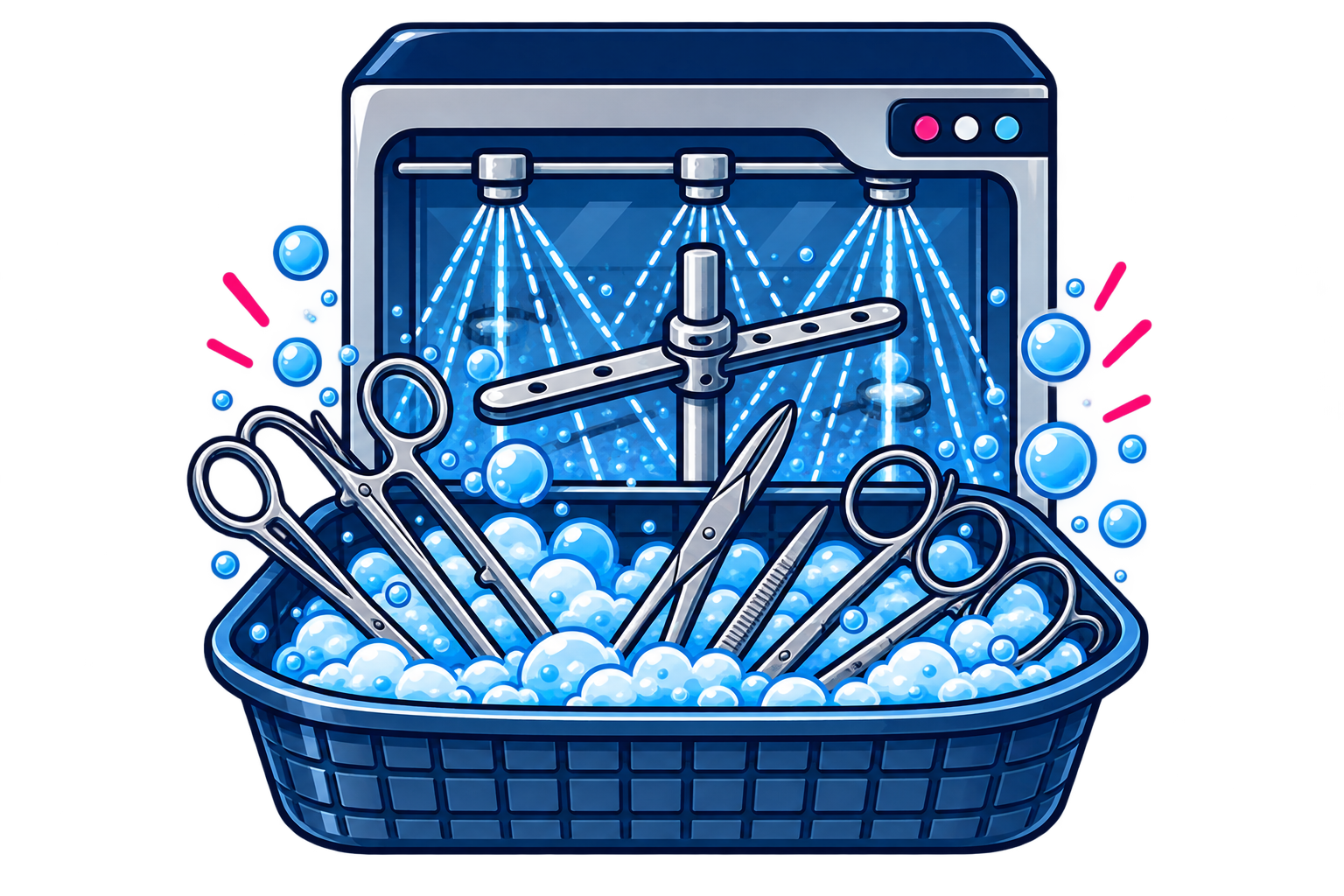
Mechanical Cleaning
Understand ultrasonic and washer processes, loading, connections, and equipment function.
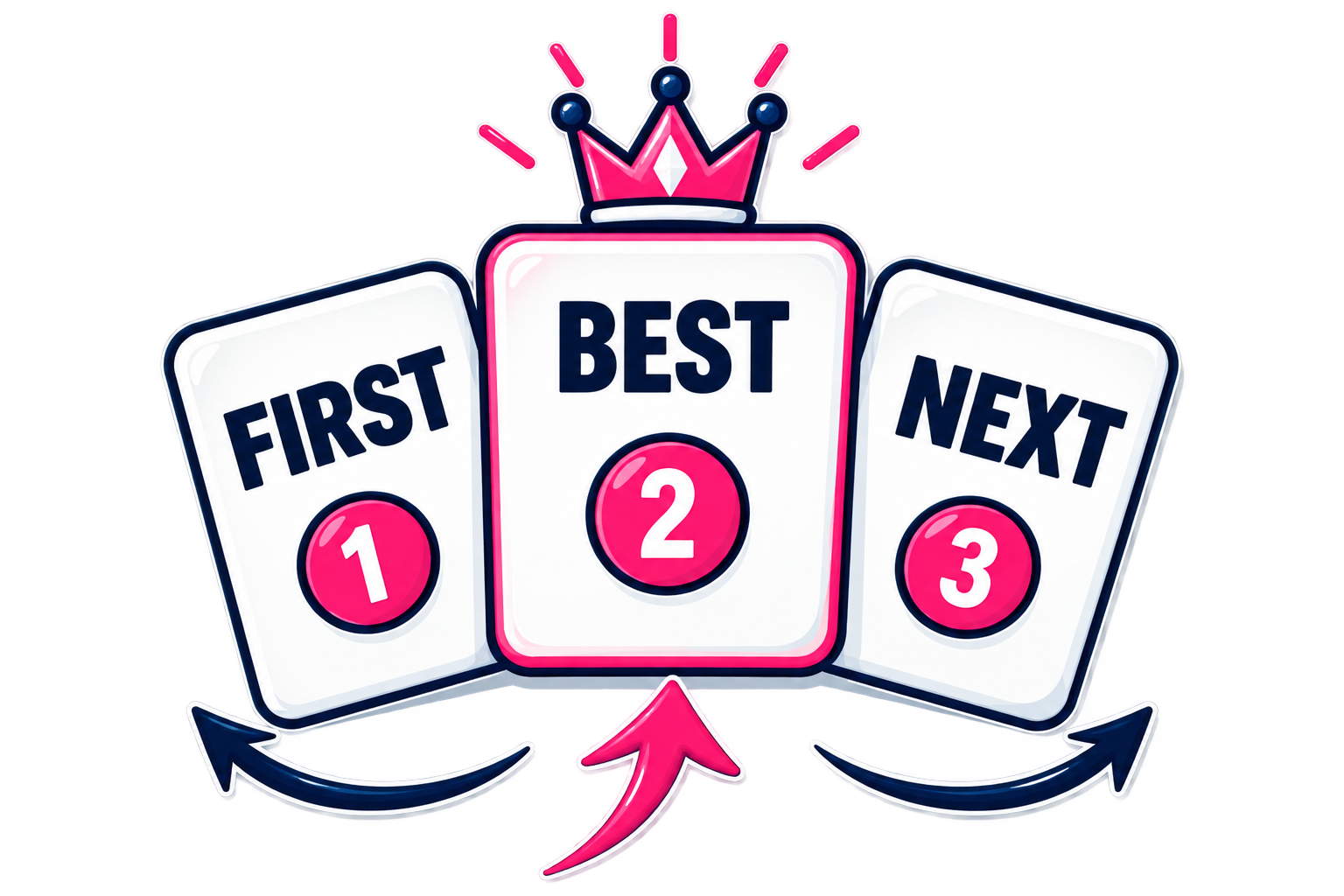
FIRST / BEST / NEXT
Learn how to recognize what certification questions are actually asking - and choose the strongest response.
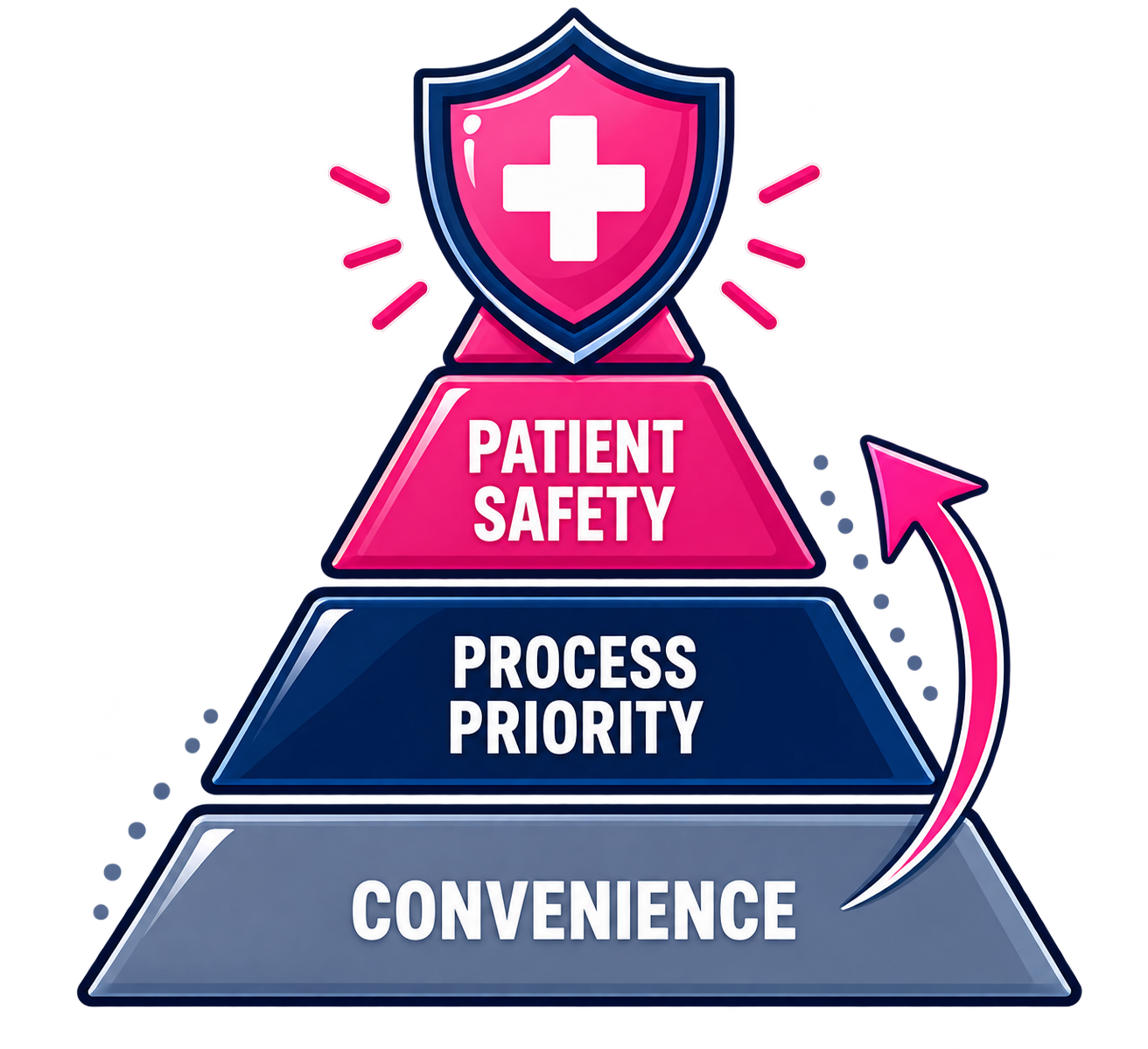
Safety Hierarchy
Use patient safety and process priorities to choose between answers that all seem reasonable.
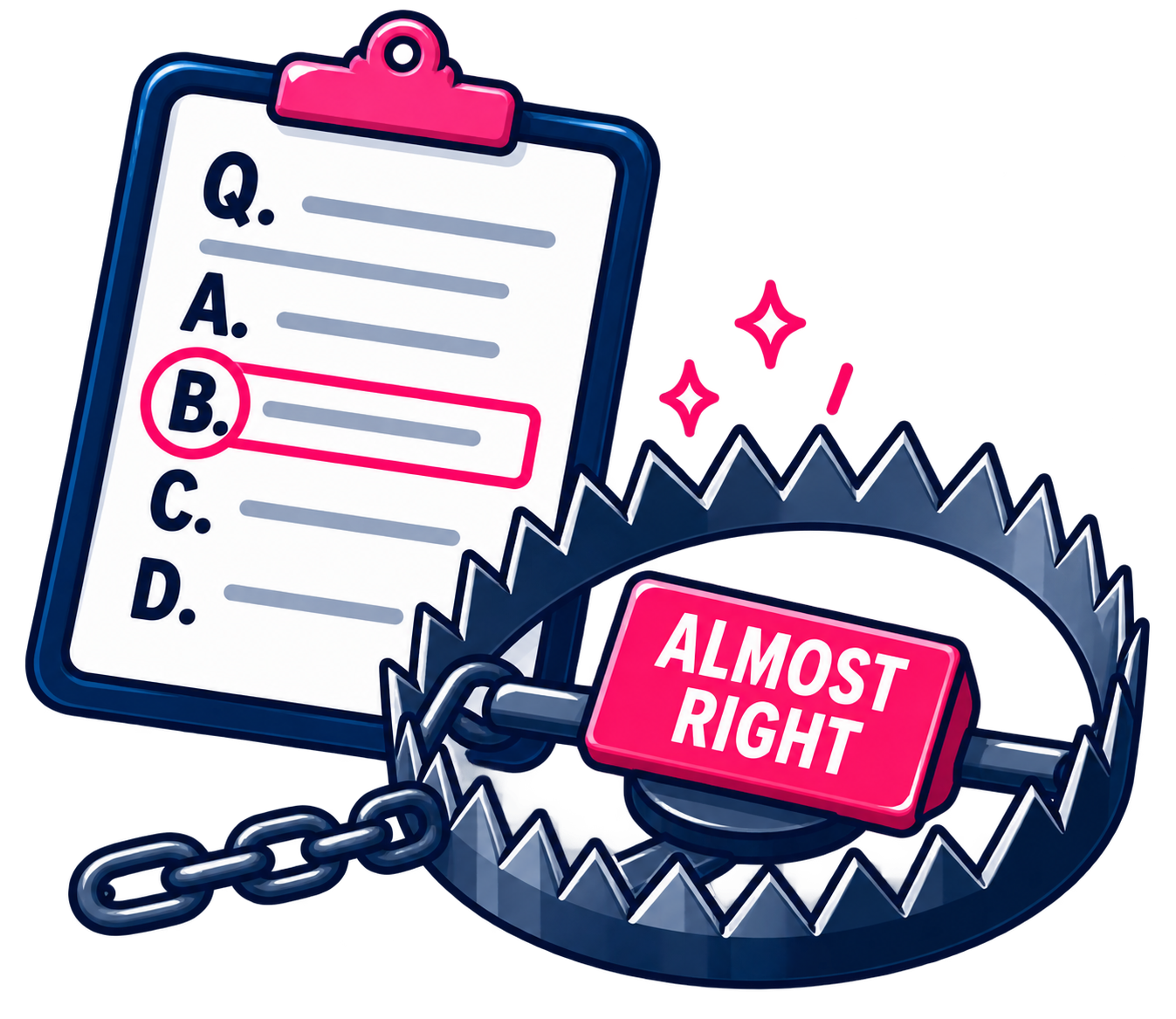
Common Exam Traps
Recognize distractors, tricky wording, and the almost-right answers certification exams love.

5-Minute Huddles
Short, focused education designed for real SPD departments that don’t have an hour to teach everything.

Tiny Tech Tips
Small lessons. Memorable visuals. Occasionally judgmental surgical instruments.
Understand the why.
Connect information to purpose.
The rie//PROCESS Approach
Education should change performance.
Knowing the answer isn’t the same as knowing what to do.
rie//PROCESS education is designed around understanding, application, decision-making, and safe practice - not memorizing information long enough to survive the next quiz.
practice the Decision.
Build judgment through application.
Connect it to the patient.
Remember why the process matters.
For SPD Educators + Preceptors
You’re not just teaching a process.
You’re developing someone who will eventually perform it without you standing beside them.
Teaching sterile processing requires more than explaining the steps. Explore practical approaches to competency, readiness, assessment, coaching, and the development of professionals who can apply what they’ve learned in real practice.
Competency vs. Readiness
Training someone to perform a task and determining whether they’re ready to perform independently aren’t quite the same thing.
Competency Validation
Move beyond completed checklists toward validation based on observable, meaningful performance.
Consulting + Professional Services
Building something better?
rie//PROCESS works with sterile processing educators, leaders, and organizations to develop practical education and competency systems built for the realities of the department.
01
Education + training systems
Build structured approaches to onboarding, training, preceptor development, and ongoing staff education.
02
competency + Readiness Systems
Create meaningful competency and readiness systems focused on observable performance - not completed paperwork.
03
Curriculum + resource development
Develop custom learning materials, assessments, activities, presentations, and educational experiences designed around what learners actually need to do.
Resource Shop
Tools You can Actually use.
Ready-to-use resources for learning, teaching, and developing sterile processing professionals - without starting from a blank page.
Certification Prep
Tools for understanding concepts, analyzing questions, and preparing for certification.
SPD Learning Activities
Interactive activities designed to move learning beyond lecture and memorization.
Educator Resources
Practical tools for teaching, assessment, competency, and staff development.
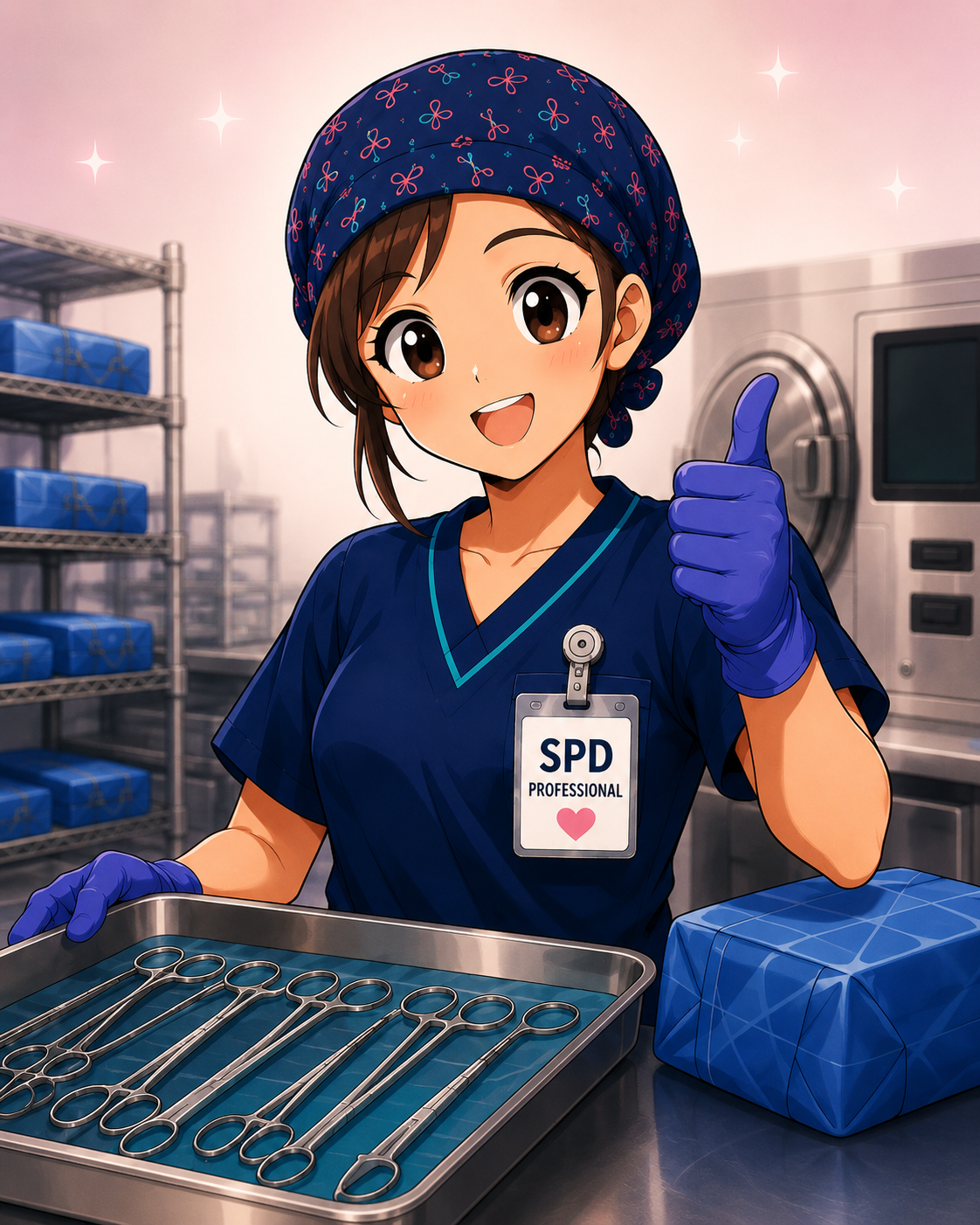
About rie//PROCESS
Built from inside sterile processing.
rie//PROCESS was created by sterile processing educator Valerie Reed to make SPD education more practical, engaging, and connected to the decisions professionals make every day.
With experience spanning frontline sterile processing, leadership, quality and education, curriculum development, certification education, and industry content development, Valerie brings both an educator’s perspective and an understanding of what the work actually looks like inside the department.
From the learning library
Latest from rie//PROCESS
Latest Article
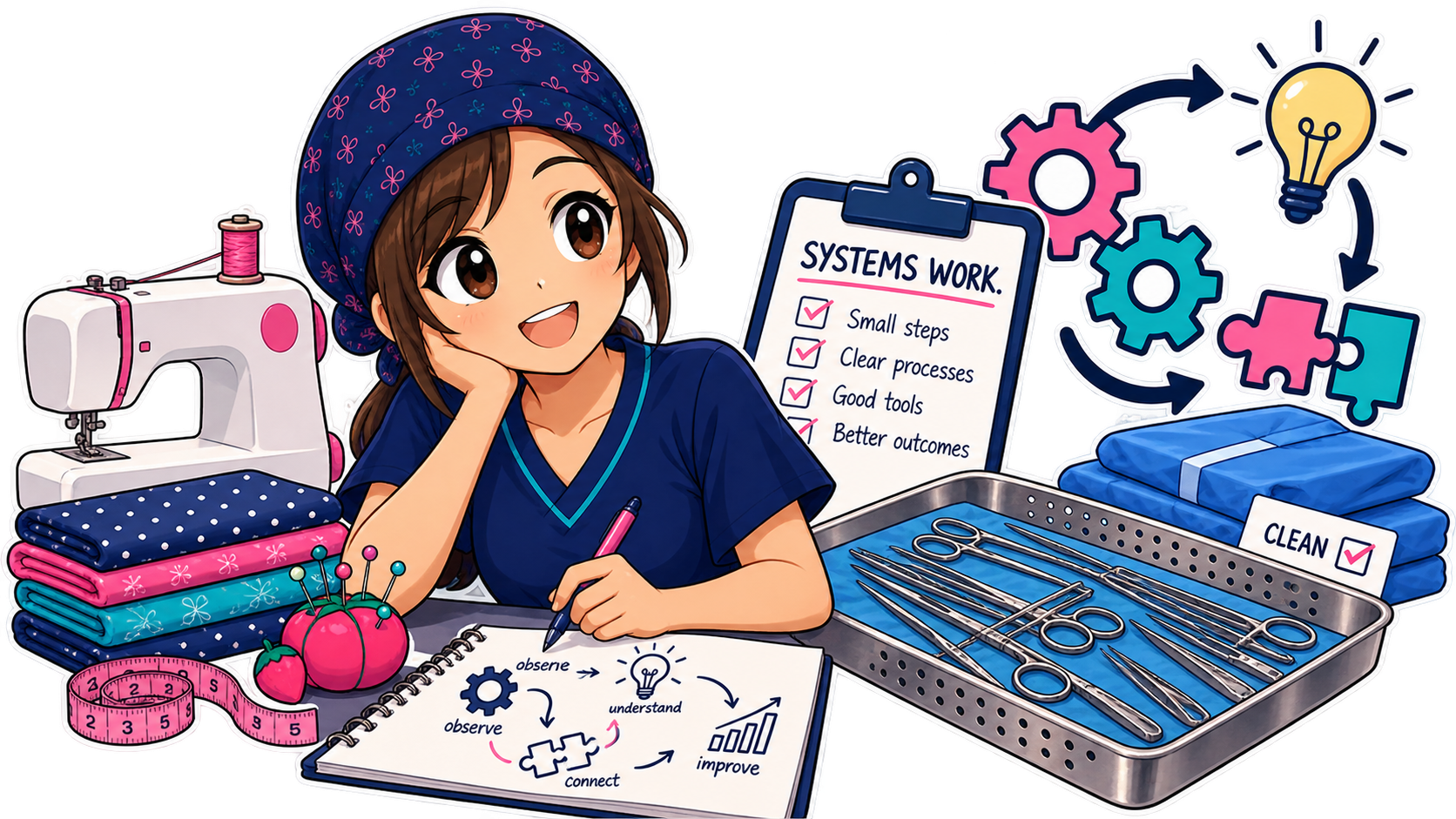
Apparently, I Have a Type: Complicated Systems
A look at what sewing, systems thinking, and sterile processing have surprisingly in common.
Latest 5-Minute Huddle
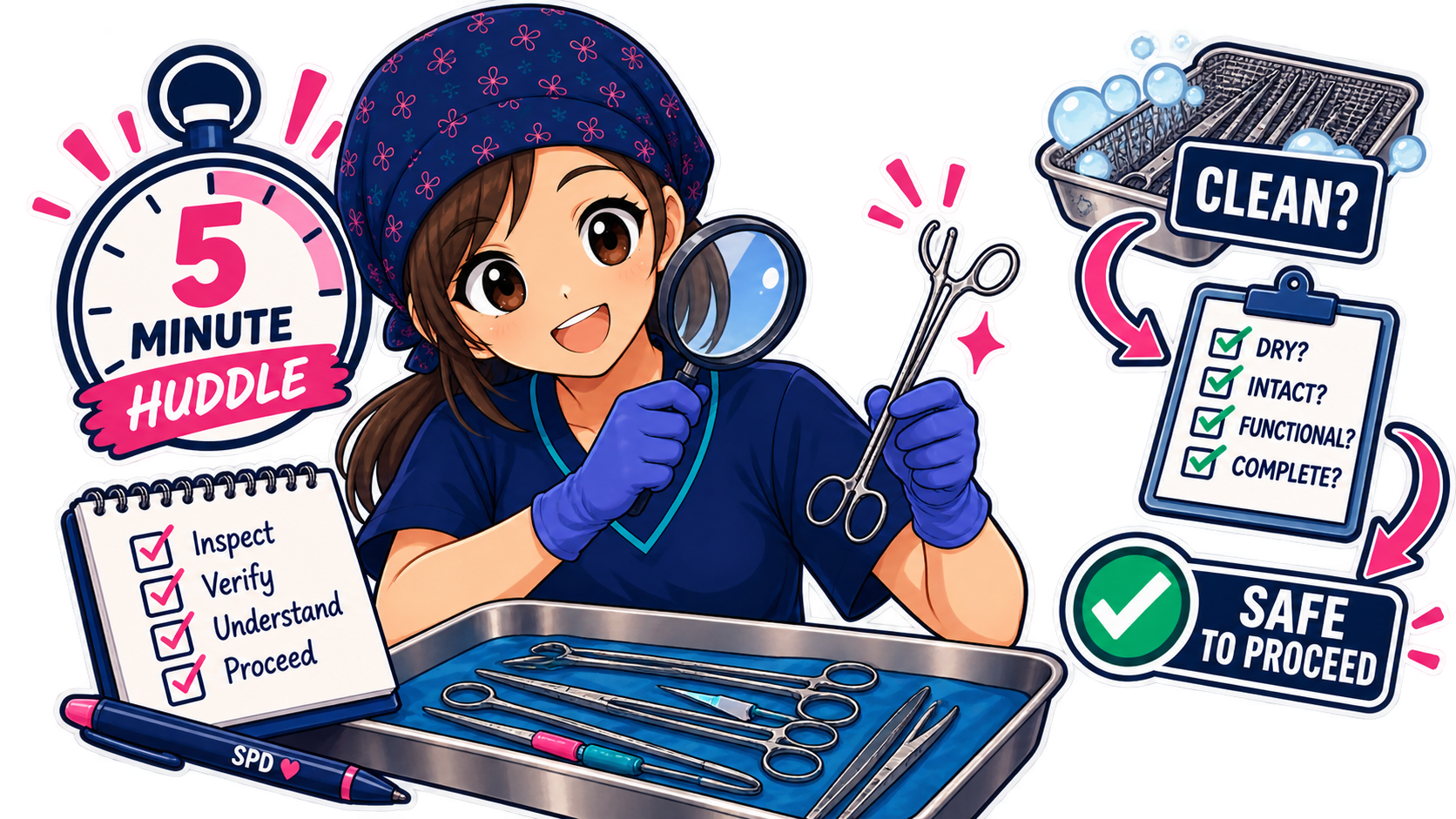
001: The Instrument Is Clean. Now What?
A five-minute conversation about why “clean” isn’t the end of the inspection process.
Latest Tiny Tech Tip
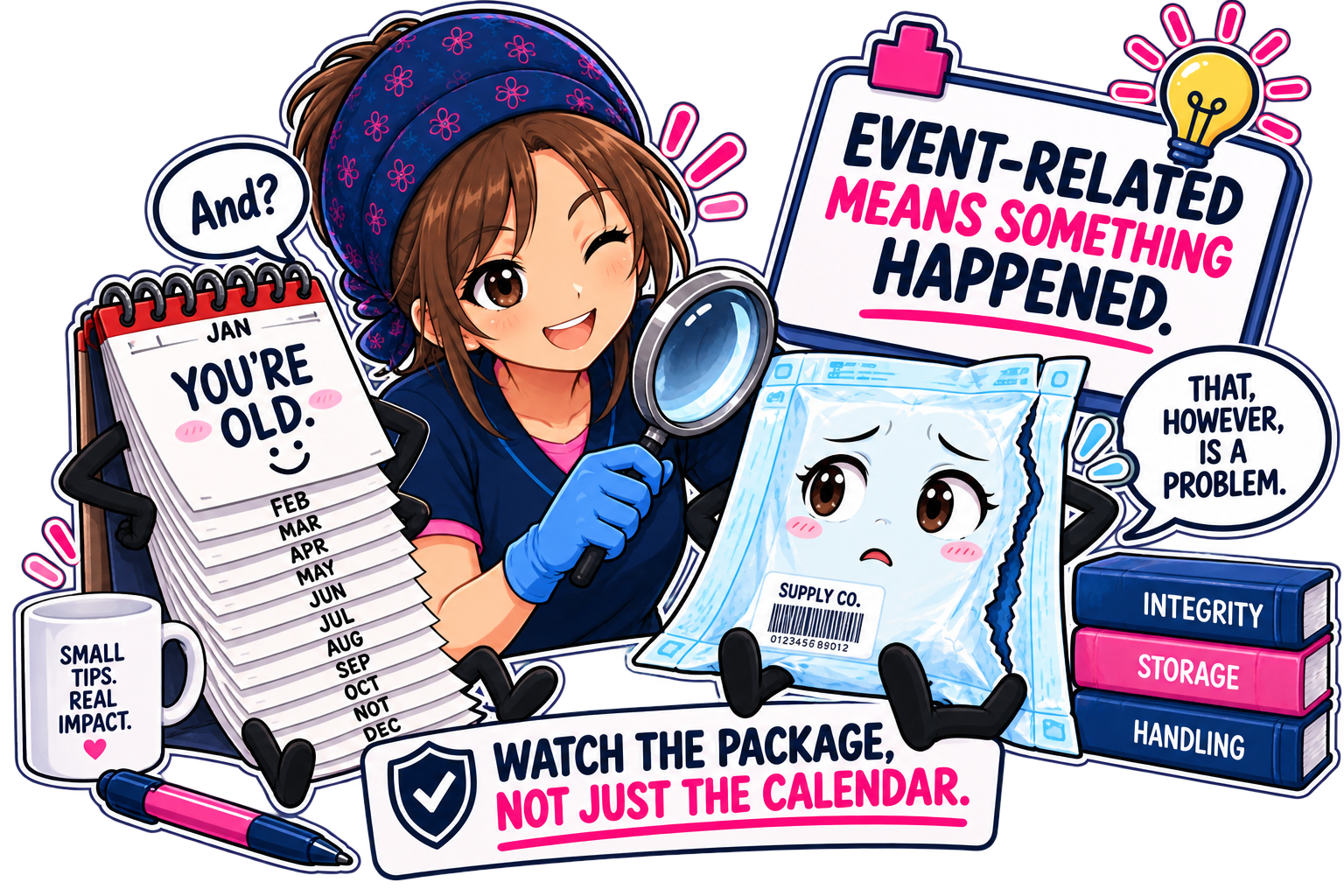
Event-Related Means Something Happened
Learn why event-related sterility depends on package integrity and handling - not simply how much time has passed.
Where do you want to start?
Choose the path that fits what you’re working on.
Learn
Build your SPD knowledge and certification readiness.
Teach
Find tools and ideas for developing SPD professionals.
Build
Strengthen education, competency, and readiness in your organization.